0 Comments

I’m so excited to share some of my all-time favorite kitchen cleaning hacks with you today! These are the tried-and-true tricks I turn to again and again because they’re budget-friendly, surprisingly effective, and just plain smart. This list is packed with actionable tips for everything from grimy stovetops to stubborn stains, using simple ingredients like vinegar, baking soda, and even lemons.
You know how much I love finding simple solutions to everyday problems, and a messy kitchen is one of those things that can just sap your energy. Over the years, I’ve found that you don’t need a cabinet full of expensive, harsh chemicals to get a truly clean kitchen. In fact, some of the most powerful cleaners are probably already sitting in your pantry! Let’s get that kitchen looking its best so we can get back to the things we love, like cooking for our families or just relaxing with a cup of tea.

1. Baking Soda and Vinegar for Drain Cleaning
Oh, there’s nothing worse than a slow or smelly drain, is there? But forget those harsh chemicals! One of my favorite kitchen cleaning hacks uses two simple pantry staples: baking soda and vinegar. The fizzy reaction between the two creates a powerful scrubbing action that gets rid of grease, soap scum, and food buildup without being hard on your pipes. It’s such a great trick for regular maintenance.
This simple little infographic breaks down the essential steps for this wonderful natural cleaning method.

As you can see, the key is to just pour, wait, and flush to let that fizzing action do its work. For other cleaning projects, understanding how to use baking soda and vinegar for cleaning various surfaces can unlock even more natural cleaning power around your home.
2. Lemon and Salt for Cutting Board Sanitization
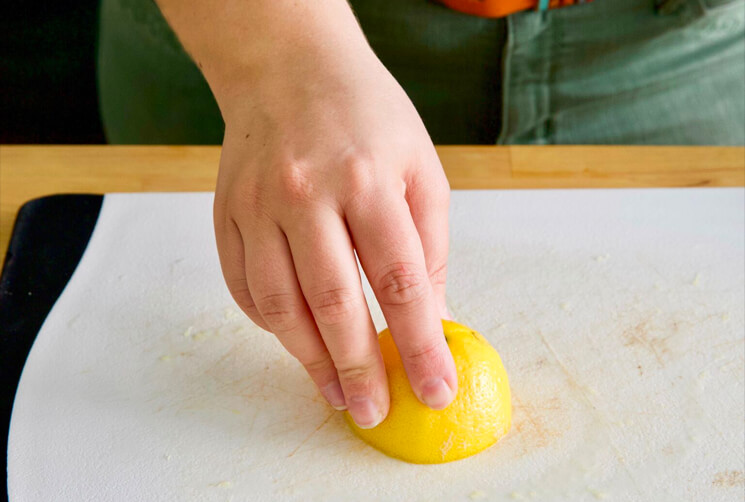
You really can ditch the harsh sanitizers for your cutting boards! This is one of my all-time favorite kitchen cleaning hacks because it uses the natural power of lemon and salt. The citric acid in lemon is a fantastic natural disinfectant that kills bacteria and gets rid of those stubborn odors from things like garlic and onions. When you combine it with coarse salt, you get a wonderful abrasive scrubber that lifts away stains and food particles from both wood and plastic boards. It’s a great, simple way to deep clean and maintain your boards.
This simple, all-natural trick is a must-have for keeping your food prep surfaces clean and fresh. For more detailed instructions, especially for those beautiful wooden boards, you can learn more about how to properly care for your butcher block.
How to Deep Clean Your Cutting Board
Ready to restore your cutting board? Here’s a quick guide to this simple but effective process.
- Start by sprinkling coarse salt generously over the entire surface of the board.
- Cut a lemon in half and use the cut side to scrub the salt into the board, moving in a circular motion.
- Let the lemon and salt mixture sit for about 5 to 10 minutes to allow the acid to work its magic.
- Rinse the board thoroughly with warm water and immediately pat it dry with a clean cloth.
- For wooden boards, finish by applying a food-grade mineral oil to keep the wood from drying out.

3. Dish Soap and Baking Soda Oven Paste
Oh, that greasy, grimy oven! Tackling it doesn’t have to mean dealing with harsh, fume-filled chemical cleaners. One of my go-to kitchen cleaning hacks is a simple yet powerful DIY paste made from dish soap and baking soda. This magical combination creates a thick, clingy cleaner that sticks to the oven walls, breaking down all that stubborn, baked-on food and grease. The baking soda helps dissolve the gunk, while the dish soap expertly cuts through the grease.
This gentle but effective method is a great way to get your oven sparkling clean with things you already have at home. It’s a trick that delivers incredible results with minimal effort and cost. For a more detailed look at this smarter, safer way to clean, you can find a comprehensive guide on how to clean your oven naturally.
How to Make Your Oven Sparkle
Making and using this paste is incredibly straightforward. Here’s what you need to do:
- Create the Paste: In a small bowl, mix about 1/2 cup of baking soda with 3 tablespoons of liquid dish soap until you have a thick, spreadable paste.
- Apply: Remove the oven racks and use a spatula or sponge to spread the paste evenly over the interior surfaces, making sure to avoid the heating elements.
- Wait: Let the paste sit and do its magic. For light cleaning, 2-3 hours is enough, but for heavy buildup, I recommend leaving it on overnight.
- Wipe & Rinse: Use a damp cloth or non-abrasive sponge to wipe away the paste and all the loosened grime. For any stubborn, lingering residue, a quick spray of white vinegar will make it bubble up and wipe away easily.

4. Steam Cleaning Microwave with Water and Vinegar
One of the most stubborn kitchen messes has to be a microwave caked with old food splatters. Instead of scrubbing endlessly, my go-to kitchen cleaning hack uses simple steam to do the hard work for you! By heating a bowl of water and vinegar, you create a powerful steam bath that softens even the most hardened-on grime, making it so easy to wipe clean. The vinegar’s acidity also cuts through grease and helps neutralize any lingering odors from last night’s leftovers.
This technique is so effective and simple, it’s a real game-changer.
This method is perfect for anyone who dreads this chore. You can even find helpful guides on how to deep clean your microwave that highlight this very process.
More Ideas You'll Love

5. Coffee Grounds for Garbage disposal Cleaning
Don’t toss those used coffee grounds! They’re one of my favorite kitchen cleaning hacks for keeping the garbage disposal fresh and clean. The slightly coarse grounds act as a gentle, natural abrasive, scrubbing away stuck-on food particles from the disposal blades and chamber walls. At the same time, the coffee helps neutralize those unpleasant food odors that can creep up from the sink. It’s a fantastic zero-waste trick that turns your morning brew’s leftovers into a powerful cleaning agent.
This simple method is a wonderful way to use something you’d normally throw away. For even more ways to freshen up your disposal using pantry items, explore these great tips for how to clean and sanitize your garbage disposal.
How to Clean Your Disposal with Coffee Grounds
Ready to give it a try? It only takes a minute.
- Step 1: Turn on your cold water tap and let it run into the disposal.
- Step 2: With the water and disposal running, slowly add one or two tablespoons of used coffee grounds.
- Step 3: For extra cleaning power and a fresh scent, follow the grounds with a few ice cubes and some citrus peels.
- Step 4: Let the disposal run for another 10-15 seconds after everything is ground up, then turn it off, keeping the water running for a few more seconds to flush everything through.
6. Aluminum Foil Ball for Scrubbing Pans
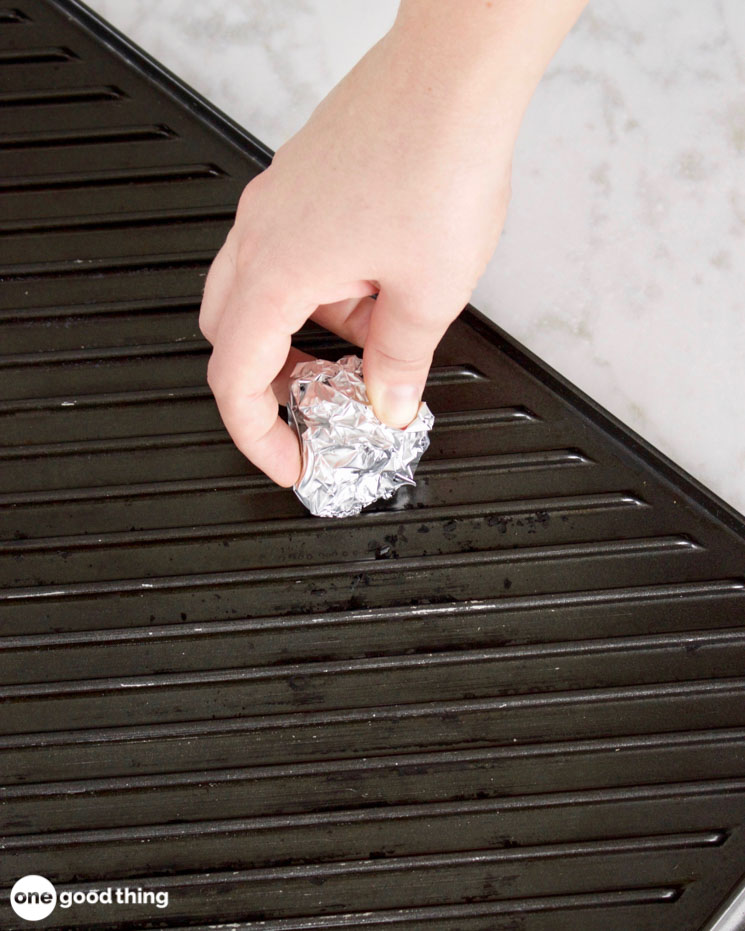
When you’re faced with stubborn, baked-on food, you don’t need a specialty scrubber. One of the most effective kitchen cleaning hacks involves a simple sheet of aluminum foil. Crumpling a piece of foil into a ball creates a surprisingly powerful and abrasive tool that can tackle tough messes on glass baking dishes, stainless steel pots, and even cast iron skillets.
The foil’s texture is abrasive enough to lift burnt-on residue but is often gentler than steel wool, and it won’t rust. Plus, you can simply toss it when you’re done! For extra scrubbing power, sprinkle the pan with baking soda before going to work with your foil ball and a little dish soap. Just remember to never use this method on non-stick or coated cookware, as it can easily scratch and ruin the delicate surface.

7. Dishwasher Tablet for Cleaning Burnt Pots
Have you ever scorched a pot and spent ages trying to scrub it clean? This is one of my favorite kitchen cleaning hacks because it feels like pure magic! A simple dishwasher tablet contains concentrated enzymes and powerful cleaners designed to obliterate baked-on food. When you use one in a burnt pot, it unleashes that cleaning power directly on the mess, lifting it away with almost no effort from you. It’s a trick that has gone viral on social media for a reason: it really works!
This method repurposes the intense cleaning action of your dishwasher for a single, stubborn task. The results are so dramatic, it’s a go-to recommendation for a reason.
How to Save Your Scorched Pans
Ready to rescue that “ruined” pot? Here are the simple steps to make it look new again.
- Place the burnt pot in your sink and fill it with enough hot water to cover the scorched area completely.
- Drop one dishwasher tablet into the water.
- Set the pot on the stove and bring the water to a gentle simmer for about 10 minutes.
- Turn off the heat and let it cool down. You’ll see the burnt bits start to lift and float.
- Once cool, simply wipe away the loosened residue. If any stubborn spots remain, you can gently nudge them with a wooden spoon.
- Finish by rinsing thoroughly with soap and water.
This hack is a game-changer for tough jobs, but remember that a clean dishwasher is key to clean dishes. You can discover more on keeping your appliance in top shape by learning how to clean your dishwasher in 3 easy steps.

8. Cream of Tartar for Stainless Steel Cleaning
Did you know that a common baking ingredient is one of the best kitchen cleaning hacks for your stainless steel appliances? Cream of tartar, a mild acid, is a secret weapon for gently polishing away stubborn fingerprints, water spots, and even light scratches from refrigerators, dishwashers, and sinks. When mixed into a paste, it acts as a mild abrasive that cleans without damaging the finish of your steel.
More Ideas You'll Love

This simple yet effective technique can restore the factory shine to your appliances, making your entire kitchen look brighter and cleaner. It’s perfect for tackling those tricky areas around handles and water dispensers that collect the most grime.

9. Hydrogen Peroxide and Baking soda for Grout Whitening
Dingy, stained grout can make even the cleanest kitchen floors and backsplashes look grimy. Before reaching for harsh chlorine bleach, try one of my go-to kitchen cleaning hacks for tile: a powerful paste made from hydrogen peroxide and baking soda. The peroxide acts as a natural oxygen bleach, lifting stubborn stains and killing mildew, while the baking soda provides a gentle scrubbing action. This combo tackles discoloration without the toxic fumes.
This method is so effective for safely restoring grout to its original bright color.
How to Make Your Grout Look New Again
Ready to see a dramatic difference? Here’s a quick guide to mixing and applying this simple, effective whitening paste.
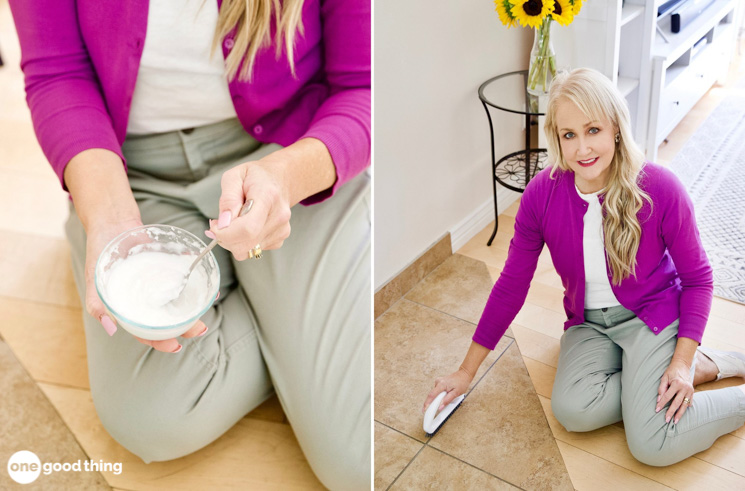
- Create the Paste: In a small bowl, mix 1/2 cup of baking soda with about 1/4 cup of 3% hydrogen peroxide. Stir until it forms a thick, spreadable paste. For extra grease-cutting power, add a teaspoon of dish soap.
- Apply and Wait: Using an old toothbrush or a small grout brush, apply the paste directly onto the grout lines. Let it sit and bubble for 10-15 minutes.
- Scrub and Rinse: Scrub the grout lines with firm pressure. You’ll see the dirt and grime lift away.
- Wipe Clean: Rinse the area thoroughly with a damp cloth or sponge to remove all residue.
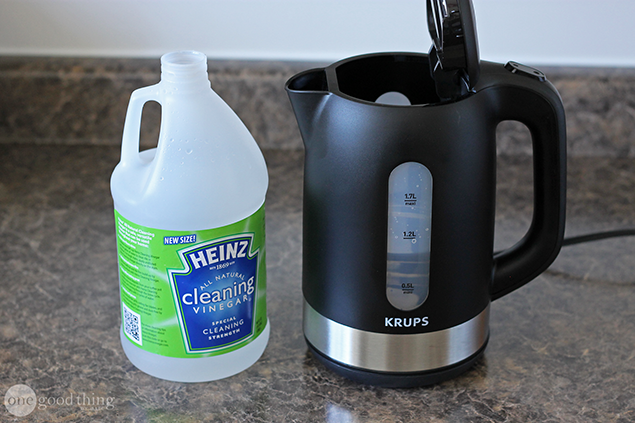
10. White Vinegar for Descaling Kettles and Coffee Makers
Hard water can leave chalky white mineral deposits, or limescale, inside your kettle and coffee maker, making them inefficient and leaving your drinks with a funky taste. One of the simplest kitchen cleaning hacks to combat this is using plain white vinegar. The acetic acid in vinegar is a natural powerhouse, effortlessly dissolving the calcium and magnesium buildup without the need for expensive, specialized descalers. This is a great method to extend your appliance’s life and ensure every cup tastes fresh.
For a coffee maker, run a cycle with a 50/50 vinegar and water solution, pausing halfway to let it sit for 30 minutes before completing the brew. For kettles, boil the same solution and let it stand for about 20 minutes. After descaling, always run two or three cycles with fresh water to rinse away any lingering vinegar taste. The versatility of this common pantry staple is truly amazing; vinegar can be used for so much more than just cooking around the house.
Top 10 Kitchen Cleaning Hacks Comparison
| Method | Implementation Complexity | Resource Requirements | Expected Outcomes | Ideal Use Cases | Key Advantages |
|---|---|---|---|---|---|
| Baking Soda and Vinegar for Drain Cleaning | Low – simple chemical reaction | Baking soda, white vinegar | Breaks down grease/clogs, deodorizes | Kitchen drain maintenance | Non-toxic, safe for pipes, cost-effective |
| Lemon and Salt for Cutting Board Sanitization | Low – requires manual scrubbing | Lemon, coarse salt | Sanitizes, removes stains and odors | Wooden and bamboo cutting boards | Food-safe, natural antibacterial, fresh scent |
| Dish Soap and Baking Soda Oven Paste | Medium – mixing and application, waiting | Dish soap, baking soda | Removes baked-on grease and food | Oven cleaning | Non-toxic, no fumes, works overnight |
| Steam Cleaning Microwave with Water and Vinegar | Very low – place and microwave steam | Water, white vinegar | Softens dried food, deodorizes | Microwave interior cleaning | Quick, hands-off, no scrubbing |
| Coffee Grounds for Garbage Disposal Cleaning | Very low – use during disposal operation | Used coffee grounds | Cleans blades, neutralizes odors | Garbage disposal maintenance | Free waste repurposing, eco-friendly |
| Aluminum Foil Ball for Scrubbing Pans | Low – manual scrubbing | Aluminum foil | Removes stuck food | Stainless steel/cast iron cookware | Disposable, rust-free abrasive |
| Dishwasher Tablet for Cleaning Burnt Pots | Medium – soaking and simmering | Dishwasher tablet | Loosens burnt food | Severely burnt pots and pans | Highly effective, minimal scrubbing |
| Cream of Tartar for Stainless Steel Cleaning | Medium – paste preparation and buffing | Cream of tartar, water/vinegar | Removes spots and tarnish | Stainless steel sinks and appliances | Food-safe, gentle, restores shine |
| Hydrogen Peroxide and Baking Soda for Grout Whitening | Medium – paste prep and scrubbing | Hydrogen peroxide, baking soda | Whitens grout, kills mold/mildew | Grout cleaning and maintenance | Bleaching without chlorine, antibacterial |
| White Vinegar for Descaling Kettles and Coffee Makers | Low – soaking and rinse cycles | White vinegar, water | Dissolves limescale, improves taste | Descaling water appliances | Food-safe, inexpensive, extends appliance life |

A Cleaner Kitchen is a Happier Kitchen
And there you have it! Ten simple yet powerful kitchen cleaning hacksthat prove you don’t need a cabinet full of expensive, specialized products to make your space shine. From the fizzing action of baking soda and vinegar in your drain to the surprising power of a dishwasher tablet on a burnt pot, these solutions are right at your fingertips. They rely on the humble, hardworking ingredients you likely already have on hand.
The real beauty of these methods isn’t just that they work, but what they represent: a smarter, more resourceful approach to homekeeping. You’re saving money, reducing your reliance on harsh chemicals, and reclaiming precious time. Mastering these simple techniques empowers you to tackle messes as they happen, preventing small spills and splatters from becoming overwhelming chores. This proactive mindset is the key to maintaining a kitchen that feels less like a workspace and more like the heart of your home.
Your Next Steps to a Sparkling Kitchen
So, what’s next? Don’t just read these tips, put them into action!
- Pick one hack to try this week. Is your microwave looking a little grimy? Grab a bowl, some water, and vinegar and see the magic for yourself.
- Create a “cleaning caddy” with these simple ingredients: baking soda, white vinegar, lemons, and dish soap. Having them ready to go makes it even easier to tackle tasks.
- Share your favorite tip. Did the cream of tartar trick make your stainless steel appliances look brand new? Let a friend or family member in on the secret!
Ultimately, incorporating these kitchen cleaning hacks into your regular routine is about more than just a tidy space. It’s about creating an environment that feels welcoming, peaceful, and joyful for you and your family. A clean kitchen invites creativity, conversation, and connection. I hope these ideas have inspired you to find the good in everyday cleaning and to feel a sense of pride in your home.
Which hack are you most excited to try?